
Vitamin C and Mast Cell Activation Syndrome: Can It Help Lower Histamine?
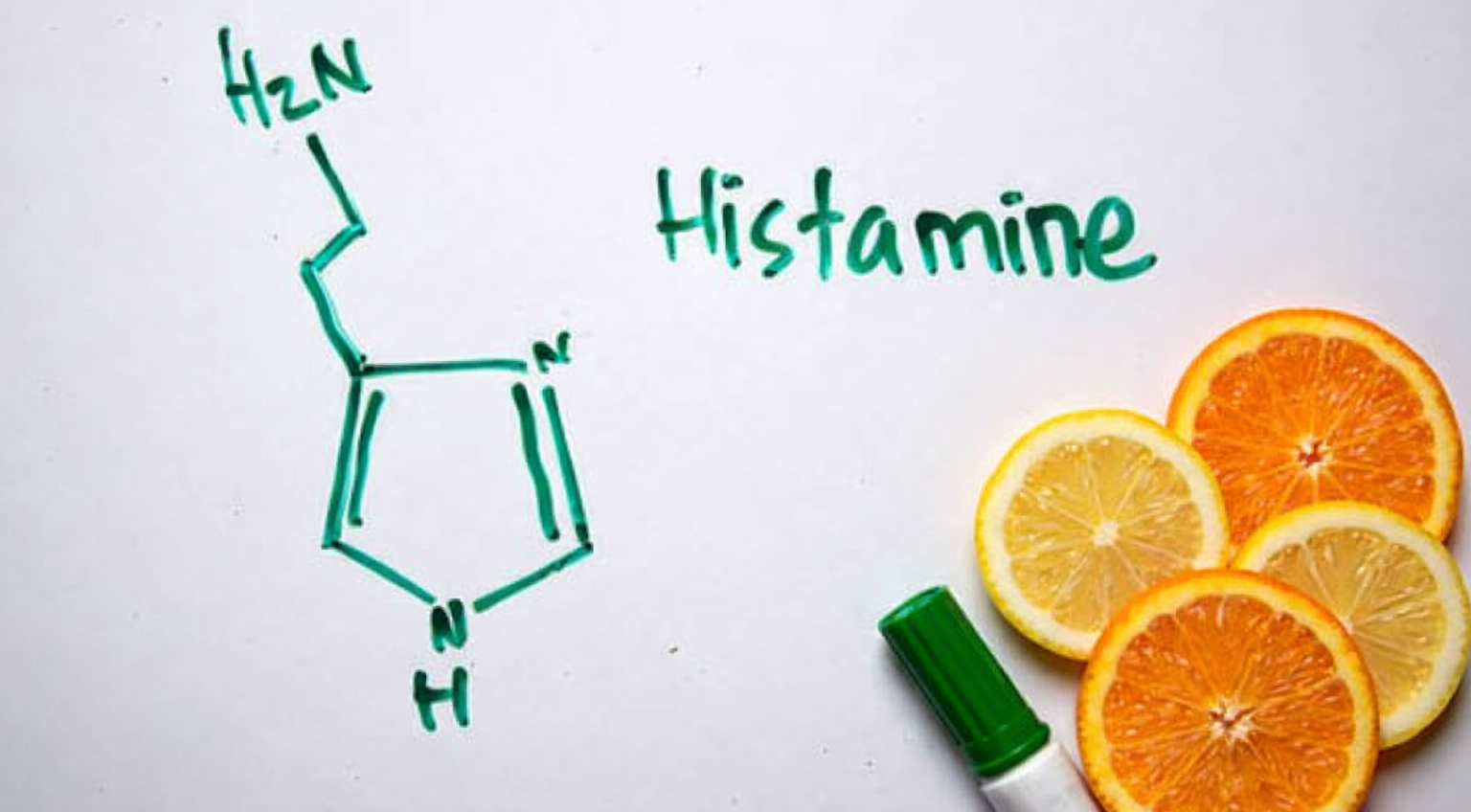
Vitamin C is widely known for supporting immune health, but its role in regulating inflammation and histamine activity is often overlooked. For individuals living with Mast Cell Activation Syndrome (MCAS), vitamin C may play an important supportive role by helping the body regulate histamine levels, reduce oxidative stress, and support overall immune balance.
Mast Cell Activation Syndrome is increasingly recognized in people living with chronic illnesses such as Lyme disease, mold exposure, autoimmune disorders, and other inflammatory conditions. Mast cells are immune cells that help defend the body against pathogens and coordinate inflammatory responses.
Many individuals with Mast Cell Activation Syndrome are initially misdiagnosed with allergies due to overlapping symptoms. If you’re unsure how the two differ, you can read our guide on MCAS vs allergies and what sets them apart.
However, when mast cells become overly reactive, they can release excessive amounts of inflammatory mediators — including histamine, cytokines, and leukotrienes. This can lead to a wide range of symptoms, including:
• Flushing
• Hives or itching
• Sinus inflammation
• Digestive issues
• Headaches
• Brain fog
• Fatigue
• Rapid heart rate
• Blood pressure fluctuations
Because mast cells influence many systems throughout the body, calming mast cell activation is often a key focus in treatment approaches for MCAS. Alongside medications, dietary strategies, and addressing underlying triggers, certain nutrients—particularly vitamin C—have gained attention for their potential role in supporting histamine balance and immune regulation.
The Relationship Between Vitamin C, Mast Cells, and Inflammation
Vitamin C (ascorbic acid) is best known for its role in immune health, but its biological functions extend far beyond preventing colds. It acts as a powerful antioxidant and plays an important role in regulating inflammatory processes throughout the body.
Research has shown that vitamin C may influence mast cell activity and histamine metabolism through several mechanisms.
These include:
• Supporting histamine breakdown
• Helping stabilize mast cells
• Reducing oxidative stress that drives inflammation
Because mast cells are highly responsive to inflammatory signals, nutrients that help regulate oxidative stress and immune activity may play a helpful supportive role.
How Vitamin C May Help Lower Histamine Levels
Histamine is one of the primary chemical mediators released by mast cells during an immune response. While histamine is essential for immune defense, excessive histamine release can contribute to many of the symptoms associated with MCAS.
Researchers have observed an inverse relationship between vitamin C levels and histamine levels in the body, meaning that lower vitamin C levels are often associated with higher histamine concentrations.
In one study, increasing vitamin C intake was shown to significantly reduce blood histamine levels, suggesting that vitamin C may play a direct role in supporting histamine regulation.
This relationship is thought to occur because vitamin C participates in several biochemical pathways involved in histamine metabolism and immune regulation.
Vitamin C appears to support histamine balance in several ways.
Supporting Histamine Breakdown
The body relies on enzymes such as diamine oxidase (DAO) and histamine-N-methyltransferase (HNMT) to break down histamine.
Vitamin C is believed to support these enzymatic pathways and may help protect them from oxidative stress. When these enzymes function properly, histamine can be cleared more efficiently.
Helping Stabilize Mast Cells
Some research suggests vitamin C may help reduce mast cell activation and limit the release of inflammatory mediators such as histamine.
While more research is needed, this potential mast cell stabilizing effect is one reason vitamin C is frequently included in integrative approaches to MCAS support.
Reducing Oxidative Stress
Chronic inflammatory conditions—including Lyme disease, mold illness, and autoimmune disorders—often create high levels of oxidative stress.
Oxidative stress can increase mast cell reactivity and amplify inflammatory signaling throughout the body. As a powerful antioxidant, vitamin C helps neutralize free radicals and may help reduce the inflammatory environment that contributes to mast cell activation.
The Role of Oxidative Stress in Mast Cell Activation
In addition to histamine release, mast cell activation is closely linked to oxidative stress in the body.
When mast cells release inflammatory mediators such as histamine, it can also trigger the production of reactive oxygen species—unstable molecules that contribute to cellular stress and ongoing inflammation.
For individuals with Mast Cell Activation Syndrome, this can create a cycle where inflammation increases oxidative stress, and oxidative stress further contributes to mast cell reactivity.
This is one reason antioxidant support is often included in integrative approaches to MCAS. Nutrients like vitamin C help neutralize free radicals and support the body’s ability to regulate inflammatory responses, making them a valuable part of a broader mast cell support strategy.
Vitamin C Dosing Considerations for MCAS
People with mast cell disorders often have sensitive systems, which means introducing supplements thoughtfully is important.
Start Low and Increase Gradually
Individuals with MCAS may react to new supplements more easily than the general population. Because of this, many practitioners recommend starting with a lower amount of vitamin C and gradually increasing intake over time.
This approach allows the body to adjust while reducing the likelihood of triggering symptoms such as flushing, headaches, or digestive upset.
Divide Doses Throughout the Day
Vitamin C is a water-soluble nutrient, meaning the body does not store large amounts for long periods.
Many clinicians recommend dividing vitamin C into smaller doses throughout the day rather than taking one large dose. This may help maintain more stable vitamin C levels in the bloodstream and improve tolerance.
Pay Attention to Individual Reactions
MCAS symptoms can vary widely between individuals. In some cases, reactions are caused not by the nutrient itself but by fillers, preservatives, or flavoring ingredients in supplements.
Introducing new supplements one at a time and monitoring how the body responds can help identify what works best for each individual.
For those looking to add vitamin C into their routine, choosing a well-tolerated, high-quality product can make a meaningful difference—especially for individuals with sensitive systems.
👉 You can shop Sufficient-C here →
Save 15% with code: LYMEADVISE15
Choosing the Best Vitamin C for Mast Cell Disorders
Not all vitamin C supplements are the same, and the form used can influence both tolerance and effectiveness, especially for individuals with Mast Cell Activation Syndrome.
Many people with MCAS have sensitive systems and may react not only to certain foods, but also to supplements. In some cases, these reactions are not caused by the vitamin C itself, but by additives, dyes, flavorings, or other inactive ingredients included in the formulation.
Because mast cells can respond to a wide variety of triggers, many practitioners recommend choosing clean, simple formulations with minimal ingredients whenever possible.
Some individuals also find that certain forms of vitamin C are easier to tolerate than others, particularly when taken in higher amounts. Paying attention to how your body responds and introducing supplements gradually can help reduce the likelihood of triggering symptoms.
If you’re navigating mast cell disorders, the goal is often to find a product that provides adequate vitamin C without introducing unnecessary ingredients that could potentially trigger reactions.
For individuals looking to add vitamin C to their mast cell support strategy, choosing a clean, well-formulated supplement can make a meaningful difference. Many in the Lyme Advise community prefer products with simple, well-tolerated formulations — such as Sufficient-C — when trying to maintain consistent vitamin C intake without triggering symptoms.
Our Recommendation: Sufficient-C Vitamin C
Because vitamin C plays such an important role in histamine balance and immune regulation, choosing a high-quality supplement that is well tolerated by sensitive individuals becomes especially important.
At Lyme Advise, we focus on products that are not only effective but also well tolerated by individuals dealing with complex chronic illnesses such as Lyme disease, mold illness, and Mast Cell Activation Syndrome.
One option many members of the chronic illness community use is Sufficient-C, a vitamin C supplement formulated with simplicity and purity in mind.
Sufficient-C combines vitamin C with L-lysine, an amino acid that supports immune function and collagen production. This combination is often used in protocols designed to support immune resilience and tissue repair.
Many individuals managing MCAS and other chronic inflammatory conditions prefer Sufficient-C because it avoids unnecessary additives that can sometimes trigger reactions in sensitive individuals.
For those navigating mast cell disorders, choosing supplements with simple, well-tolerated ingredients can be an important part of supporting the body while minimizing potential triggers.
👉 Shop Sufficient-C here →
Save 15% with code: LYMEADVISE15
As always, individuals should consult with a qualified healthcare provider to determine what approach is best for their specific health needs.
Final Thoughts
Mast Cell Activation Syndrome can affect multiple systems in the body and often requires a comprehensive strategy to address triggers, inflammation, and immune balance. While vitamin C is not a cure for mast cell disorders, maintaining adequate levels may help support histamine metabolism, reduce oxidative stress, and assist the body in regulating inflammatory responses.
FAQs
-
Vitamin C is not technically classified as an antihistamine medication, but research suggests it may help support the body’s natural regulation of histamine levels. Studies have found that vitamin C levels are often inversely related to histamine levels in the blood, meaning that lower vitamin C levels may be associated with higher histamine concentrations.
Vitamin C may support histamine balance by helping the body break down histamine more efficiently and by supporting mast cell stability. Because of these roles, vitamin C is often included in integrative approaches used to support individuals with Mast Cell Activation Syndrome and histamine intolerance.
-
The appropriate amount of vitamin C can vary significantly from person to person. Some individuals may benefit from smaller daily amounts, while others may tolerate higher amounts spread throughout the day.
Many practitioners recommend dividing vitamin C into multiple doses to help maintain steady levels in the body and improve tolerance. People with mast cell disorders are often advised to start with a lower amount and gradually increase while monitoring symptoms.
Because individual responses can vary, it is best to work with a healthcare provider familiar with histamine intolerance or mast cell disorders when determining a supplementation strategy.
-
For individuals with mast cell disorders, tolerance is often just as important as absorption. Some people find that certain vitamin C formulations are easier on the digestive system or less likely to trigger symptoms.
Products that contain minimal additives and simple ingredient profiles may be better tolerated by individuals with sensitive systems. Supplements like Sufficient-C, which combine vitamin C with L-lysine and avoid unnecessary fillers, are often preferred by people navigating chronic inflammatory conditions.
Choosing a well-formulated product and introducing supplements gradually can help reduce the risk of triggering mast cell symptoms.
-
Some research suggests vitamin C may help influence mast cell activity and reduce the release of inflammatory mediators such as histamine. Vitamin C also acts as a powerful antioxidant, which may help reduce oxidative stress that contributes to mast cell activation.
While vitamin C is not a cure for mast cell disorders, maintaining adequate vitamin C levels may support immune balance and help the body regulate inflammatory responses.
-
Chronic infections and inflammatory conditions can increase the body’s demand for antioxidants. When the immune system is under prolonged stress, nutrients like vitamin C may be depleted more quickly.
Low vitamin C levels may contribute to increased oxidative stress and inflammation, which can further affect immune regulation and histamine balance.
Supporting adequate vitamin C intake may help replenish antioxidant defenses and support overall immune function.
-
Some individuals with mast cell disorders may react to certain supplement additives rather than the vitamin C itself. Choosing simple formulations with minimal ingredients can help reduce the likelihood of reactions.